Crown Reduction in Canary Wharf: Professional Tree Care for Homes, Developments, and Commercial Spaces
If you are looking for crown reduction in Canary Wharf, you are likely dealing with a tree that has become too large for its setting, is affecting light, or needs careful reshaping to stay healthy and safe. In a place like Canary Wharf, where tall buildings, landscaped courtyards, riverside walkways, roof terraces, business premises, and managed residential blocks all sit close together, tree work needs to be precise, considerate, and well planned. Crown reduction is not just about making a tree smaller. Done properly, it is a skilled arboricultural service that helps preserve the tree while making it more suitable for the space it grows in.
Local customers often need tree reduction for very practical reasons: a tree may be blocking sunlight from a flat, leaning toward a communal path, interfering with views, touching a building, or becoming unwieldy in a confined courtyard. In commercial settings, trees can also need reshaping to improve access, maintain a smart appearance, or reduce the risk of branches encroaching on walkways and entrances. A professional local team understands these demands and can provide a tailored service that works for the tree and for the property around it.
Whether you manage a residential block, oversee a commercial estate, or simply want to keep your own garden tree in good condition, crown reduction in Canary Wharf should always be carried out with care. The aim is to reduce the overall size of the canopy while retaining the tree’s natural shape as much as possible. That balance matters, because over-pruning or poor technique can leave a tree stressed, misshapen, or vulnerable to disease. A trusted local service will focus on the long-term health, structure, and safety of the tree as well as the immediate result.
What Crown Reduction Means and Why It Is Used
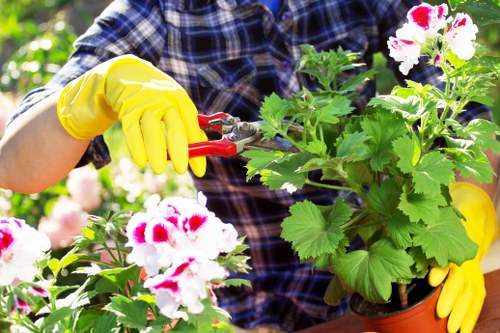
Crown reduction is a form of tree surgery that shortens selected branches throughout the canopy to reduce the tree’s height, spread, or overall mass. It is typically used where a tree has outgrown its space, where branches are affecting nearby structures, or where the canopy needs to be made lighter and more manageable. Unlike aggressive cutting, a proper reduction keeps the tree’s form balanced and aims to encourage healthy regrowth from appropriate points.
Many customers in Canary Wharf ask for this service because trees in urban environments are expected to do a lot. They provide greenery and soften the built landscape, but they also need to coexist with restricted planting areas, underground services, glass-fronted buildings, shared access routes, and constant foot traffic. A reduced crown can help the tree fit better into the environment without removing it altogether, which is often the preferred option when the tree is worth retaining.
Crown reduction is often chosen for several practical reasons:
- To reduce the spread of branches near buildings or balconies
- To improve light levels for homes, offices, and communal spaces
- To lessen wind resistance on exposed or top-heavy trees
- To manage trees that have become too dominant for their planting area
- To improve safety around paths, roads, and parking areas
- To maintain a neat and balanced appearance in landscaped settings
Why Crown Reduction in Canary Wharf Needs a Local, Careful Approach

Canary Wharf is a highly distinctive part of East London, and tree work here often comes with more practical considerations than in a typical suburban garden. There are tall residential towers, commercial towers, private estates, podium gardens, shared courtyards, underground car parks, and busy access roads. These settings make access and equipment handling more complicated, so a local team needs to plan the job properly from the start.
Access can be tight, especially around managed developments and enclosed landscaping areas. In some locations, there may be limited space for vehicles, loading, ladder setup, or debris removal. Nearby pavements, cycle routes, and entrances may need to stay clear while work is carried out. A local crew familiar with the area is better placed to work efficiently, minimise disruption, and protect surrounding surfaces, planting beds, and communal areas.
Another reason local knowledge matters is the mix of property types in and around Canary Wharf. The same service may need to suit a private roof garden one day, a shared courtyard the next, and a commercial frontage or office boundary the day after. Each setting requires a slightly different approach, especially when safety, appearance, and tenant or resident expectations all need to be taken into account. That is why customers often prefer a team that understands crown reduction in Canary Wharf as a practical, site-specific service rather than a one-size-fits-all job.
Common local situations where reduction helps
Tree owners and property managers often request reduction when a tree:
- Has grown too close to glass façades or upper-level terraces
- Is shading living spaces, meeting rooms, or garden areas
- Has branches overhanging shared paths or parking access
- Needs balance restored after previous poor pruning
- Is becoming too heavy or asymmetric for the planting site
How a Professional Crown Reduction Service Works

A good crown reduction service starts with a proper assessment. The tree’s species, age, condition, natural shape, and surroundings all influence how much should be removed and where cuts should be made. Some trees tolerate reduction better than others, and some are better managed through selective pruning or maintenance work rather than a more significant size reduction. The goal is to make the right decision for that specific tree, not to apply a fixed formula.
During assessment, the arborist will look at the canopy structure, signs of stress, crossing branches, deadwood, proximity to buildings, and any obstacles such as cables, fences, or hard landscaping. If the work is in a managed estate or shared site, the team may also consider access times and how to reduce disruption for residents, tenants, or visitors. In many cases, the work is scheduled to keep noise and obstruction to a minimum.
Once the reduction is underway, the tree is pruned in a way that aims to preserve its natural outline. Branches are shortened back to suitable growth points rather than left with awkward stubs. A well-executed reduction should leave the tree looking neat, proportionate, and still recognisably healthy. It should not look hacked back or unnaturally flat-topped unless the tree’s form and location genuinely call for that kind of management.
What you can expect from the service
- Initial discussion of your tree concerns and site conditions
- Assessment of the tree’s size, shape, and condition
- Careful planning to suit residential or commercial access
- Reduction of the canopy to the agreed extent
- Removal of branches and tidy clearance of the work area
- Advice on ongoing care, where helpful
Good tree care is about balance: reducing the canopy enough to solve the problem while keeping the tree strong, attractive, and suitable for its location.
Benefits of Crown Reduction for Local Properties

For many customers, the main reason to book crown reduction is simple: the tree is no longer fitting the space. But there are several wider benefits too. In a dense urban area, trees can quickly start affecting light, access, and comfort. Reducing the crown can restore usability to gardens, terraces, and shared outdoor areas without the need for tree removal. That often matters to residents and property managers who want to keep greenery but improve day-to-day practicality.
Crown reduction can also help reduce wind loading, which is especially important for taller trees or those growing in exposed positions. If a tree has a broad canopy catching the wind, a careful reduction may make it more stable in poor weather, though every situation must be assessed individually. For customers near riverside or open exposed routes in and around Canary Wharf, this can be a key consideration.
Other benefits may include better visibility, more comfortable outdoor seating areas, and reduced risk of branches brushing against buildings or creating obstruction. In commercial settings, a tidy and well-managed tree canopy can also improve the appearance of entrances, courtyards, and landscaped spaces. A neat tree contributes to the overall impression of the property and helps keep shared areas pleasant for everyone using them.
Practical advantages for residents and businesses
- Improved natural light in flats, offices, and communal areas
- Less interference with buildings, windows, and balconies
- Better access for pedestrians, maintenance teams, and vehicles
- A tidier appearance in managed gardens and business premises
- Reduced strain on trees that have outgrown limited planting spaces
For many property owners, the value of the service is not only in the cut itself, but in the long-term improvement to how the space feels and functions.
Residential Crown Reduction Across Canary Wharf and Nearby Areas

Residents in Canary Wharf often live in apartments, penthouses, townhouses, or properties with shared landscaped spaces. That means trees are rarely in large, open gardens with plenty of room to grow. Instead, they are often in bounded spaces where roots, branches, and canopy spread need to be managed carefully. Crown reduction can be especially helpful where a tree is competing with surrounding structures or is creating too much shade on a balcony, private terrace, or communal lawn.
Nearby residential areas such as Poplar, Limehouse, Blackwall, Isle of Dogs, and the wider Docklands also see similar issues. These locations combine modern development with pockets of mature planting, and that can produce a mix of tree sizes and site constraints. A local service that regularly works in the area is more likely to understand how to approach these settings with care and efficiency.
Homeowners and leaseholders often want a service that is straightforward, respectful, and tidy. That includes protecting paving, keeping noise to a reasonable level, and ensuring cut material is cleared promptly. If you are arranging work through a managing agent or freeholder, it also helps to use a team that can work around building rules, access arrangements, and shared spaces without causing unnecessary disruption.
Residential situations where reduction is commonly requested
- Branches overhanging a private balcony or terrace
- Canopy blocking sunlight into a main living room
- Tree touching windows or cladding
- Unbalanced growth in a small courtyard garden
- Need for a tree to sit more neatly within a limited planting bed
Tip for residents: if you notice a tree becoming awkward only in certain seasons, such as when foliage thickens in spring or summer, crown reduction may be worth considering before the issue gets worse.
Commercial and Managed Site Tree Work
Commercial premises in Canary Wharf often have to maintain a polished appearance while also meeting practical safety and access needs. Trees around offices, retail fronts, communal podium gardens, and tenant spaces may require crown reduction to prevent overgrowth from affecting entrances, signage, lighting, walkways, or service access. In these environments, the work has to be done with minimal disruption and a high level of professionalism.
Managed sites can be more complex than private gardens because there are more people to consider. Residents, staff, visitors, contractors, and facilities teams may all use the same space at different times. That means communication and planning matter. A good tree surgery team will consider how to stage the work so that it causes the least disturbance while still achieving the required result.
For landlords, managing agents, and facilities managers, crown reduction can be part of sensible asset care. Trees that are regularly maintained are often easier to manage than those left until they become oversized or problematic. Routine attention can help avoid more disruptive work later, support a more consistent appearance across a site, and keep outdoor spaces useful throughout the year.
What commercial clients usually want
- Reduced disruption to staff and visitors
- Clear, tidy work around entrances and access routes
- Careful protection of paved or landscaped areas
- A neat final appearance suitable for a professional setting
- Flexible scheduling where possible
Whether the tree sits beside a business courtyard, a residential block entrance, or a shared amenity deck, a local service can adapt the approach to suit the site and the people using it.
What Is Included in a Crown Reduction Visit?
Customers often want to know exactly what is included when they arrange crown reduction in Canary Wharf. While the details depend on the tree and the site, most visits follow a clear process. The work should be carried out carefully, with attention to safety, cleanliness, and respect for nearby property.
A typical service may include a site assessment, agreed pruning to the canopy, removal of dead or awkward branches where appropriate, and tidying of the work area afterwards. If access is restricted, the team may need to plan the approach in sections or use specialist techniques to work efficiently within the space available. In a busy district like Canary Wharf, that planning can make a noticeable difference to the final outcome.
It is also useful to know that crown reduction is often combined with other arboricultural tasks, depending on the tree’s condition. For example, a tree may also need deadwood removal, crown thinning, or selective pruning to improve airflow and structure. A professional approach looks at the whole tree rather than only the most obvious problem.
Common inclusions
- Inspection of tree size, shape, and condition
- Reduction of the crown to an agreed extent
- Selective pruning to help maintain balance
- Safe removal of cut branches and debris
- Tidy finish to the immediate work area
- Discussion of any follow-up care needs
Important: not every tree should be reduced in the same way. A responsible arborist will recommend what is suitable rather than simply cutting back all growth.
Preparation Checklist for Homeowners, Agents, and Site Managers
Preparing for tree work can make the visit smoother and more efficient. In Canary Wharf, where access and shared spaces can be limited, even small preparation steps can help. If you are a homeowner, resident, site manager, or managing agent, it is useful to confirm what needs to be moved, what access is available, and whether any permissions or notices are required before the work begins.
For residential properties, this may mean clearing furniture, bikes, planters, or other items from the working area. For commercial or managed properties, it may also involve informing building users about temporary access changes or requesting that parking bays or loading spaces are kept free. When the team arrives, a clear space means they can begin work faster and reduce the chance of accidental damage.
Before the visit, consider the following:
- Remove fragile items from balconies, patios, or nearby windowsills
- Move vehicles if branch access or lowering space is needed
- Keep pets and children away from the working area
- Check whether the site has access rules or time restrictions
- Identify any shared boundaries, gates, or locked entrances
- Tell the team about any concerns involving utilities, paving, or planting beds
Good preparation helps the job run safely and efficiently, especially in tight urban settings.
Pricing Factors for Crown Reduction
It is sensible to ask about pricing factors early, because crown reduction costs can vary depending on several real-world considerations. Rather than thinking in fixed terms, most customers benefit from a tailored quotation that reflects the tree, the access, the amount of work required, and the time needed to do the job properly. This is especially true in Canary Wharf, where site conditions can be more involved than in open suburban settings.
The main factors that tend to affect cost include the size and condition of the tree, the complexity of access, the amount of canopy to be reduced, and whether extra time is needed to manage debris removal or protect surrounding surfaces. If the work is on a managed estate or in a commercial environment, scheduling constraints may also influence how the service is planned. A smaller tree in an easy-to-access garden will usually be simpler than a tall specimen overhanging a courtyard with restricted vehicle access.
It is always sensible to request a quote that reflects your actual site rather than relying on general assumptions. That way, you can compare options fairly and understand what is included. If additional issues are discovered during the assessment, such as significant deadwood or structural concerns, these should be discussed clearly before the work goes ahead.
Main pricing considerations
- Tree height, spread, and overall condition
- Ease of access for equipment and waste removal
- Amount of crown reduction required
- Need for additional pruning or deadwood removal
- Complexity of working around buildings, vehicles, or shared spaces
- Time and labour needed to complete the task safely
Request a free quote if you want a clearer idea of the work involved at your property.
Why Choose a Local Company for Crown Reduction in Canary Wharf
There are many reasons local customers prefer a company that already works in and around Canary Wharf. A local team is likely to understand the area’s access challenges, the expectations of residents and building managers, and the practical realities of working near busy roads, public walkways, and managed developments. That experience can save time and reduce the chance of avoidable disruption.
Local knowledge also helps with scheduling and communication. If a site has a restricted loading area, timed access window, or limited space for waste clearance, a crew that knows how to operate in the area can plan more effectively. That matters not only for convenience but also for safety, especially where there are pedestrians, parked vehicles, and nearby structures to consider.
For customers in Canary Wharf and nearby districts, choosing a local tree surgery company can mean getting a more relevant service from people who understand how trees behave in dense urban settings. Whether the tree is in a private garden, a communal landscape, or beside a commercial frontage, the right approach should be practical, balanced, and respectful of the site.
Local service advantages
- Better understanding of tight access and shared spaces
- More suitable planning for residential and commercial sites
- Practical experience with urban tree shapes and restrictions
- Efficient work with minimal disruption
- Clearer recommendations based on real local conditions
Contact us today if you want a professional assessment of your tree and its suitability for reduction.
Areas Covered Around Canary Wharf
Tree care needs in this part of London are rarely confined to one small spot. Customers looking for crown reduction in Canary Wharf often also have properties or sites in surrounding locations where similar issues arise. Nearby neighbourhoods and districts can include parts of the Isle of Dogs, Poplar, Blackwall, Limehouse, and Docklands, as well as other residential and commercial spaces connected to the wider East London area.
This broader coverage matters because many customers manage more than one property or oversee sites across a small local network. A business, landlord, or managing agent may need the same standard of tree care across multiple locations, with one team able to keep the work consistent. That can be especially useful where trees are part of a wider estate appearance or maintenance plan.
If your property is in or near Canary Wharf, the key point is not just location but suitability. Trees in the district often grow in constrained or highly visible environments, so they need careful handling. A local service that regularly works nearby is more likely to understand those conditions and provide sensible advice on the best next step.
Typical nearby customer types
- Apartment residents and leaseholders
- Managing agents and block managers
- Facilities teams and commercial property staff
- Private homeowners with garden trees
- Landlords responsible for shared outdoor spaces
Frequently Asked Questions
Is crown reduction the same as topping?
No. Crown reduction should be a controlled and selective pruning process that maintains the tree’s structure and health. Topping is generally considered a much harsher method and can leave the tree stressed, unbalanced, or more prone to problems.
Will my tree look natural after reduction?
A well-done reduction should keep the tree’s shape balanced and natural for its species and setting. The aim is to make it smaller and more manageable, not to leave it looking severely cut back.
How do I know if my tree needs reduction?
Common signs include branches too close to the building, reduced light, a canopy that looks oversized for the site, or limbs causing obstruction. A proper assessment will help decide whether reduction is the best option.
Can crown reduction help with wind exposure?
It can in some cases, especially where a tree has a large, heavy canopy. However, every tree should be assessed on its own merits because the right amount of reduction depends on species, condition, and location.
Do I need permission before the work starts?
That depends on the tree’s status and location. Some trees may be subject to preservation rules or other site-specific arrangements. It is sensible to check any requirements before booking work.
How often should a tree be reduced?
There is no universal schedule. Some trees may only need occasional attention, while others in tight urban spaces may benefit from more regular maintenance. The best interval depends on growth rate, species, and site conditions.
More customer questions we can help with
- What is the best time of year for reduction?
- How much of the canopy can be removed safely?
- Will the tree grow back quickly after pruning?
- Can the work be done with limited access?
- What happens to the branches and debris afterwards?
If you are unsure whether your tree needs reduction or another type of pruning, book your service now and ask for a site-specific assessment.
Choosing the Right Tree Care Approach
Not every tree issue calls for the same solution. Sometimes the best approach is a light crown reduction; sometimes the tree may need crown thinning, deadwood removal, selective pruning, or a combination of methods. In other situations, the tree may be suitable for retention but only if it is managed regularly. A responsible arborist should explain the options clearly and recommend the least intrusive method that solves the problem.
That is one of the main reasons customers in Canary Wharf value a professional local service. Trees here are often part of a carefully planned environment, and the wrong cut can affect not only the tree but also the surrounding space. By choosing experienced tree surgeons who understand the area, you are more likely to get a result that supports safety, appearance, and long-term health all at once.
Whether you are dealing with an overgrown courtyard tree, a branch encroaching on a terrace, or a canopy that has become too large for a commercial frontage, the right service should be straightforward, respectful, and focused on the actual need. If you want help deciding, contact us today to discuss the tree and arrange a quotation.
Final Thoughts on Crown Reduction in Canary Wharf
Tree work in Canary Wharf needs more than a standard approach. The area’s mixture of residential towers, office buildings, communal landscapes, and limited access points means every job benefits from careful planning and experienced hands. Crown reduction is often the right answer when a tree has become too large for its setting but is still worth keeping.
When carried out well, the service can restore light, improve clearance, reduce obstruction, and help the tree remain safe and attractive. For residents, landlords, managing agents, and commercial clients, that can make a real difference to how the property feels and functions. It is a practical investment in the space around you as much as in the tree itself.
If you are considering crown reduction in Canary Wharf, now is a good time to get advice from a local tree care team that understands the pressures of the area. Request a free quote, ask for an assessment, and choose a service that puts the tree and the property first.